
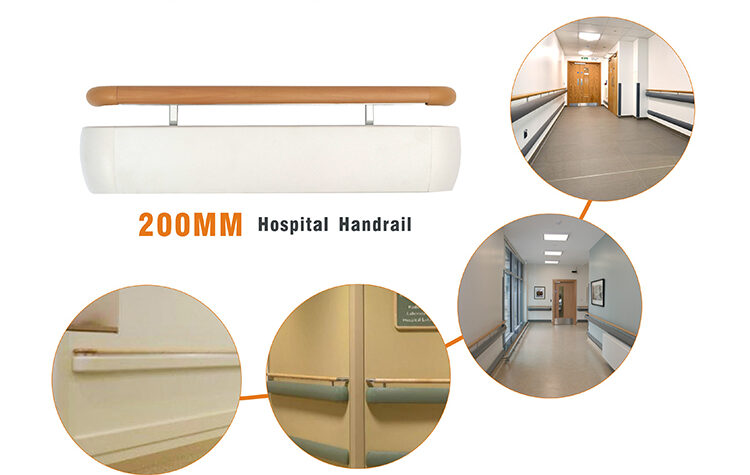
In our daily lives, accessible design has become an essential part of both homes and public spaces. Among these designs, hospital handrails play a crucial role. Not only do they improve the safety of living spaces, but they also assist individuals with limited mobility—especially the elderly or patients—by helping them maintain independence and a better quality of life.
What is Accessible Design?
The core idea of accessible design is to make spaces more suitable for everyone, especially those who face challenges with movement, vision, or other health conditions. This design removes barriers to ensure that everyone can use the facilities in their environment safely and conveniently.
The Role of Hospital Handrails
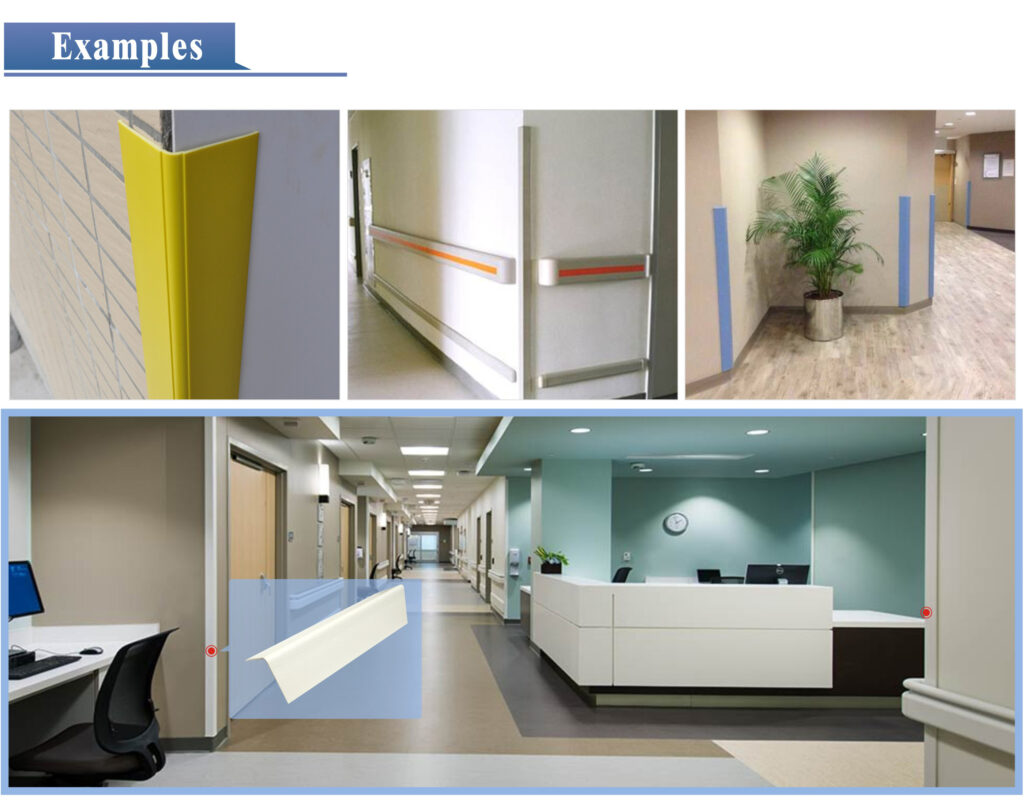
Hospital handrails are an indispensable part of accessible design. Whether it’s in bathrooms, hallways, or stairways, handrails placed in the right spots can help people move more stably, reducing the risk of falls. For the elderly, pregnant women, or individuals with mobility issues, handrails are particularly vital for ensuring safety.
Integrating Hospital Handrails with Accessible Design
Accessible design isn’t just about making a space look more inviting—it focuses on improving the convenience and safety of the users through thoughtful details. Hospital handrails are one of those details. They can be installed in places like bathrooms, beside beds, in hallways, and along staircases, helping users maintain their balance more effectively, especially in slippery environments.
For elderly individuals or patients in recovery, hospital handrails are key to providing support in their daily activities. These handrails assist them in standing up, sitting down, or moving around more easily, avoiding injuries caused by accidental falls.
How Hospital Handrails Enhance the Effectiveness of Accessible Design
One of the main principles of accessible design is to make spaces flow smoothly and be easy to use. By installing hospital handrails in the right places, we can ensure that these spaces are more visually and functionally user-friendly. For example:
-
Bathrooms: Installing handrails next to showers or toilets helps users maintain balance while bathing, preventing slips and falls.
-
Hallways and Stairs: Handrails along hallways and stairs provide stable support when walking, especially when navigating stairs.
-
Beside the Bed: For patients recovering or elderly individuals, bedside handrails make it easier for them to get in and out of bed safely, preventing injury from strain or imbalance.
By addressing these design details, hospital handrails not only improve the safety of living spaces but also give users a greater sense of confidence and comfort.
Conclusion
Hospital handrails are an essential component of accessible design. They help improve the quality of life for the elderly, patients, and those with mobility issues. With thoughtful design and proper installation, hospital handrails allow everyone to move more safely and comfortably in their homes, hospitals, or any public space. Accessible design is not just about aesthetics; it’s about meeting the real needs of people, and hospital handrails are an indispensable part of that vision.
If you have any inquiries, you can contact us via the phone number or email provided above, or leave your phone number or email, and we will reach out to you.
If you are interested in our product, click the link below to learn more.
https://hospitalhandrail.com/product-category/product/hospital-handrail/

1.jpg)