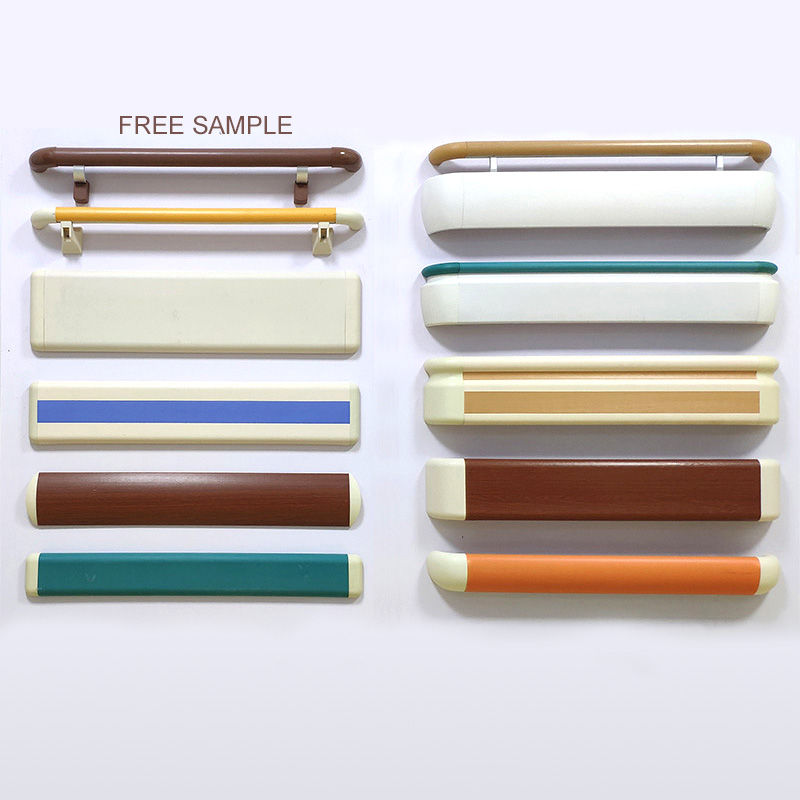
In hospitals, care facilities, bathrooms, and rehabilitation centers, medical handrails are essential for safety, comfort, and mobility support. Different sizes and types of handrails serve different functions and are suitable for various installation scenarios. This article explains the differences between popular handrail sizes and how to choose the right handrail for your needs.
1. Why Size Matters for Medical Handrails
The size of a handrail affects how comfortable and secure it feels when gripped. For elderly users, patients, or people with limited mobility, the right diameter, thickness, and design can improve stability and reduce fatigue.
2. Comparing Common Medical Handrail Sizes
🔹 140mm Handrail
-
Description: Medium diameter handrail.
-
Benefits: Comfortable for a wide range of users.
-
Best Use: Hospital corridors, patient room walls, general indoor hallways.
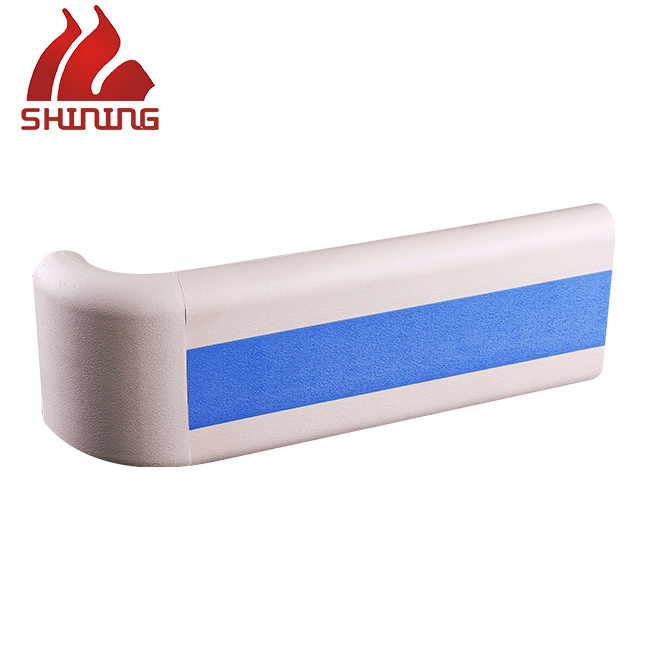
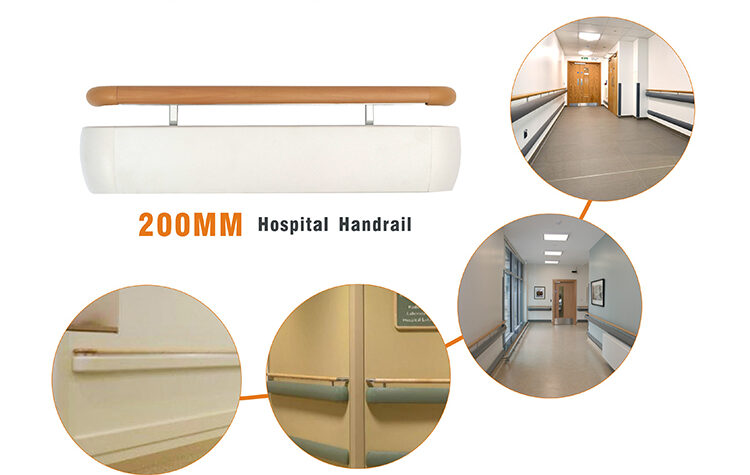
🔹 200mm Handrail
-
Description: Larger diameter, offering greater support.
-
Benefits: Better grip and stability, ideal for users with weaker hand strength.
-
Best Use: Elder care facilities, rehabilitation areas, high-support needs.
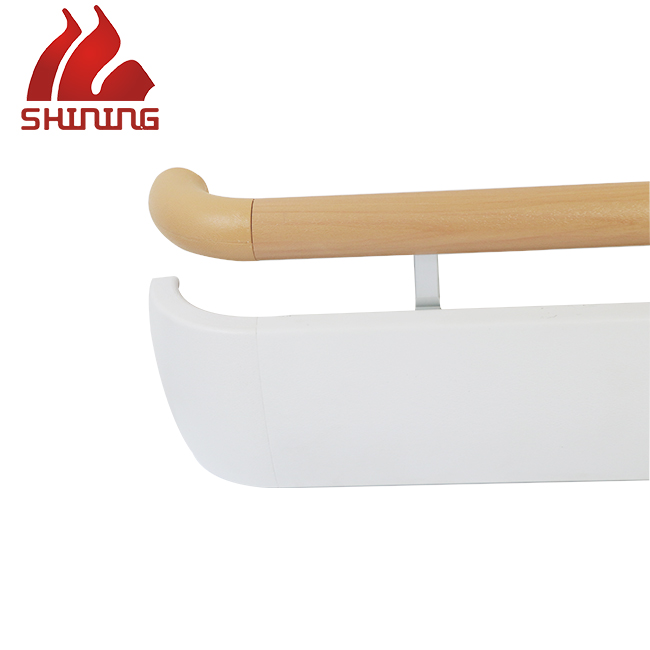
🔹 159mm Handrail
-
Description: Slightly larger than standard.
-
Benefits: Balanced comfort and support.
-
Best Use: Busy walkways or spaces that need both grip and comfort.
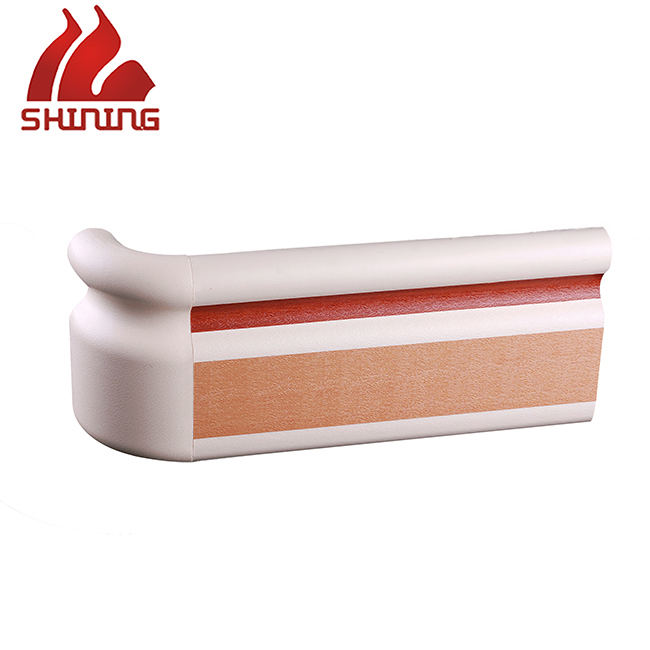
🔹 143mm Handrail
-
Description: Custom-friendly size with ergonomic grip.
-
Benefits: Better fits natural hand shape.
-
Best Use: Bathrooms, narrower pathways, or specific wall installations.
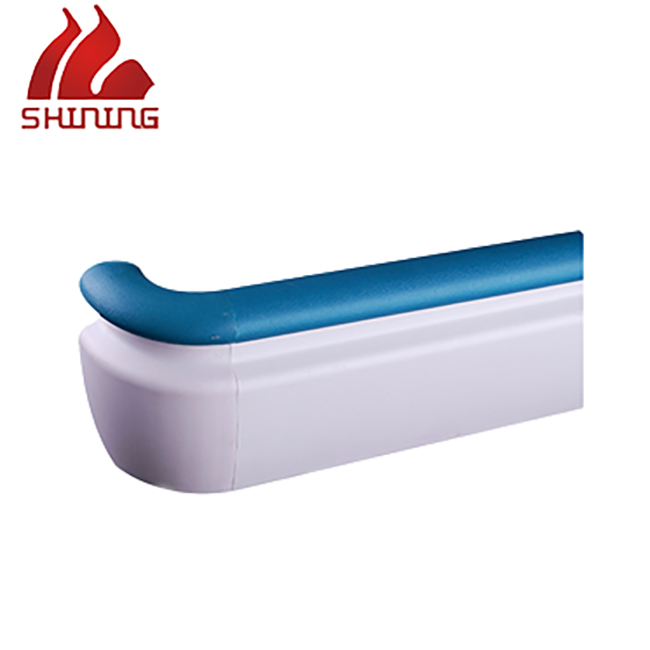
🔹 43mm & 40mm Handrails
-
Description: Slim and compact handrail options.
-
Benefits: Lightweight and easy to grip for users with stronger hand strength.
-
Best Use: Secondary support spots, beside equipment, or in small spaces.
3. Key Features of Medical Handrails
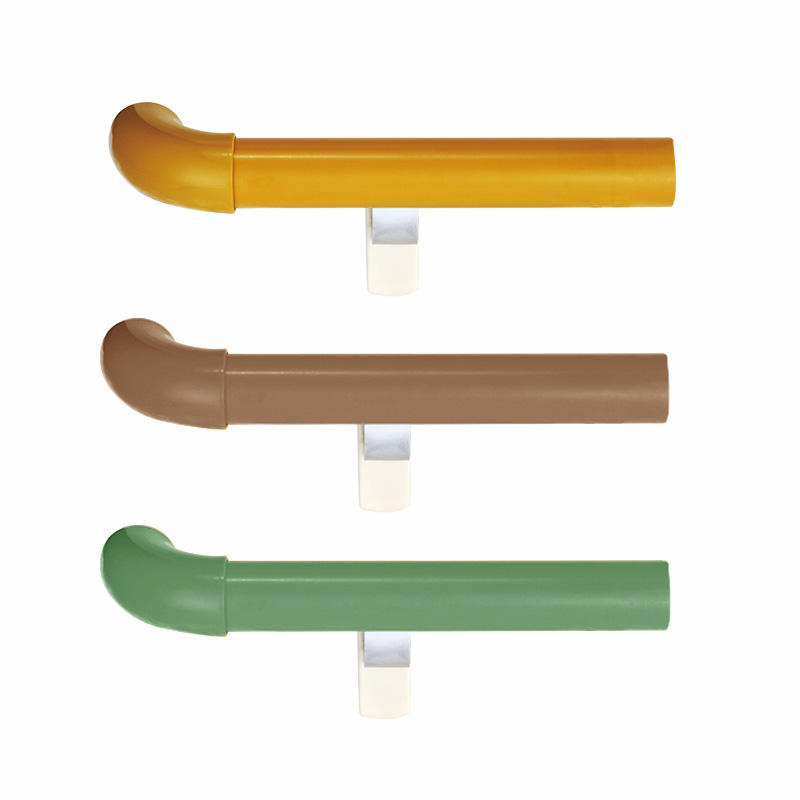
Antibacterial & Easy-to-Clean Materials
Modern medical handrails are made from materials that resist bacteria and are easy to sanitize — essential for healthcare environments.
Custom Size Options
If your wall spacing, doorways, or facility layout are unique, custom-sized handrails can ensure a perfect fit.
Comfort vs. Support
-
Comfort-Oriented: Rounded and smooth grips, easier on hands.
-
High-Support: Solid, durable materials for heavy use and strong stability.
4. How to Choose the Right Medical Handrail
-
Know the Users
Consider whether handrails will be used by elderly, adults, or patients with limited mobility. -
Plan the Installation Location
Bathroom, hallway, or stair railings require different sizes and strengths. -
Choose Functionality
Antibacterial, fire-resistant, easy-clean, impact-resistant features may be required. -
Match the Space
Ensure the handrail won’t interfere with doors or walking paths. -
Consider Installation Ease
Choose products that are quick to mount and maintain.
5. Why Choose Our Medical Handrails
We offer a wide range of medical handrails in sizes 140mm, 200mm, 159mm, 143mm, 43mm, and 40mm to meet the needs of hospitals, care homes, bathrooms, and rehabilitation facilities. Our handrails are antibacterial, easy to clean, impact-resistant, and can be customized in style and size to fit your specific needs.
If you have any inquiries, you can contact us via the phone number or email provided above, or leave your phone number or email, and we will reach out to you.
If you are interested in our product, click the link below to learn more.
https://hospitalhandrail.com/product-category/product/hospital-handrail/